



Laurence is a copywriter and trained journalist. His passion is creating insightful and educational content for dental professionals of every level. Outside of work, he enjoys watching sport, quizzing and spending time with his family.
Any ways that can make direct restorative treatment an easier and more efficient process are always worth exploring. Dentist Dr Petr Hajny has outlined his four keys to freeing up time, saving money and creating longer lasting restorations.
Use Your Resources Wisely
In our day-to-day work, we are often faced with waste issues. Sometimes we do not even notice our mismanagement because not every kind of waste is obvious. It is essential to know all the processes in the dental practice in detail to be able to identify any potential for a more efficient use of resources. An effective way to cut material costs is to prevent expensive products from being thrown away, for instance, by aligning the inventory levels with the use-by dates of the materials. The secret is in the careful use of resources, human and material.
Kent Express Tip
Be aware of the energy consumption levels of the equipment you use and consider how switching to more energy efficient alternatives could cut costs in the long run. Click here for ideas.
Share


You May Also Like
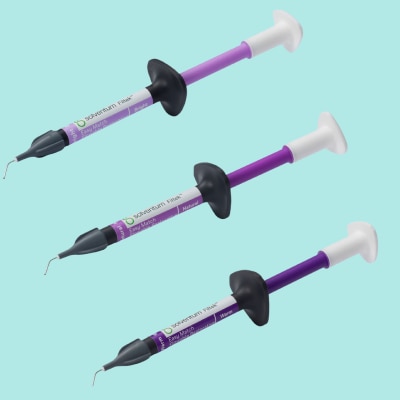
Easy Match Flowables
Discover Filtek Easy Match Flowable, the simplify shade matching and improve restorative efficiency in your dental practice. Shop today.

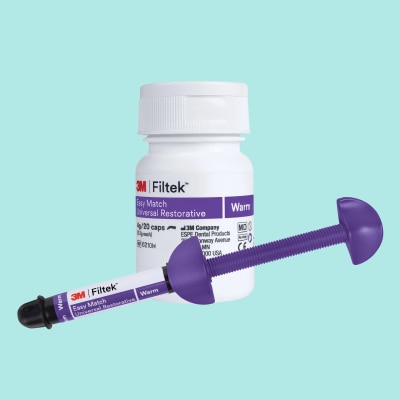
Why DCPs Love Filtek Easy Match
Solventum Easy Match Universal Restorative is designed to simplify the shade matching process with an innovative 3-shade system.

Small Changes, Big Smiles
GC, one of the world’s leading providers in restorative dentistry, expert step-by-step guide to quick and easy teeth restorations.
GC Special Offers
Discover GC's special offers across bonding agents and restoratives, available for a limited time.
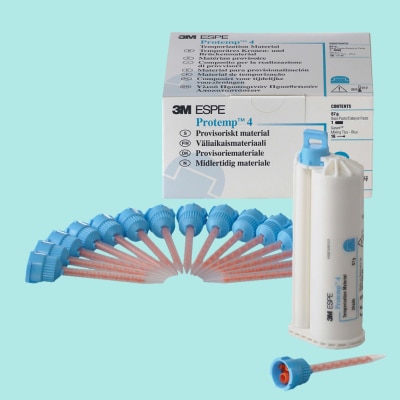
Temporisation with Protemp 4
Simplify everyday temporisation with Protemp 4 from Solventum, designed for easy application, outstanding aesthetics and unbeatable strength
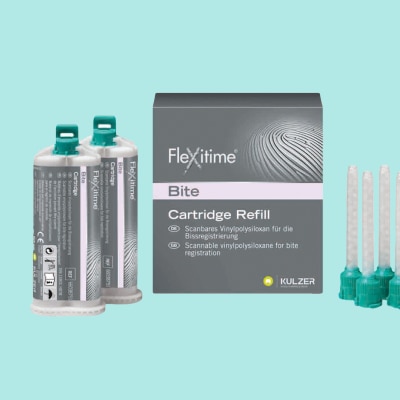
Kulzer Flexitime
Flexitime from Kulzer has a unique formula that makes it one of the most flexible impression materials on the market.
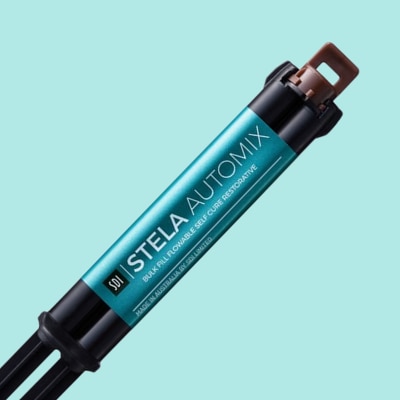
SDI Stela
Stela is the ideal option for dentists seeking a strong and reliable high-performance restorative, that is simple, fast and does not compromise aesthetics.
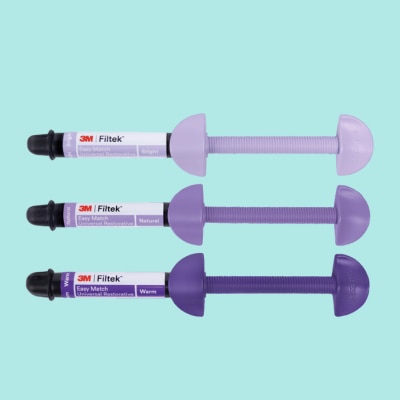
Filtek Easy Match Restorative
Filtek Easy Match Universal Restorative is a 3-shade system designed to deliver an excellent shade to almost any patient’s tooth shade.
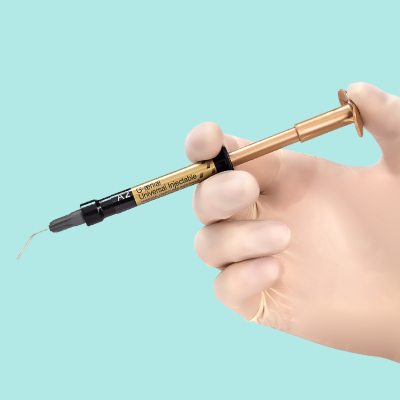
Amalgam Alternatives from GC
Whether your preference is for composite or GIC, GC is a brand that specialises in easy-to-use restoratives that can help smooth your amalgam phase-down.

Angelus Root Canal
All products in the Angelus root canal sealers and cements range are designed to improve the workflow of DCPs and patient outcomes.
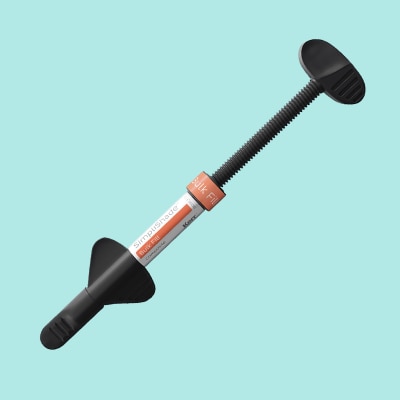
Simplishade Bulk Fill Composite
Simplify your restoration workflow with the new SimpliShade Bulk Fill and SimpliShade Bulk Fill Flow from Kerr.