


 Back
Back


- Back
- Infection Control
Shop Our Top Infection Control Products








- Back
- Pharmaceuticals











- Back
- Offers and Promotions


The COVID pandemic acted as a wake-up call for many to pay greater attention to infection control, from hand hygiene to wearing masks.
But it is important to remain diligent: the recent outbreak of meningitis in Kent shows how quickly pathogens can be transmitted and how quickly we can be caught unawares.
Whilst not as easily spread as coronavirus, the meningitis outbreak should serve as a reminder of the need for excellent infection control in the dental practice and beyond.
For dental practices, harmful bacteria can be spread in several ways, including through:
- Door handles
- Shared seats and magazines in the waiting area
- Toilet trips
- Inadequate decontamination protocols
This means a risk of infection outbreak is possible, either from inside the dental practice or through an infected person entering the clinic. Infection control therefore extends beyond the maintenance of instruments and equipment. Being able to respond to and prevent outbreaks that could affect the dental team and patients is imperative.
Prompt detection
The early identification of an infectious disease can slow the spread of it. This is split into two avenues: spotting patients or staff members who have notable symptoms, and staying up to date with local news, either through online news websites or potentially through other healthcare practices.
If an infection outbreak is reported, such as the Canterbury case of meningitis, and your practice is in or near that region, then the dental team should be warned and the necessary precautions must take place. In some cases, people may be carrying an infectious disease without presenting symptoms, so everyone should be treated with equal caution.
If a patient or staff member has been diagnosed with an infectious disease, a swift plan of action is required to contain the risk of transmission. Any suspicion of a notifiable disease must also be reported to the local health protection team (HPT) within 24 hours.
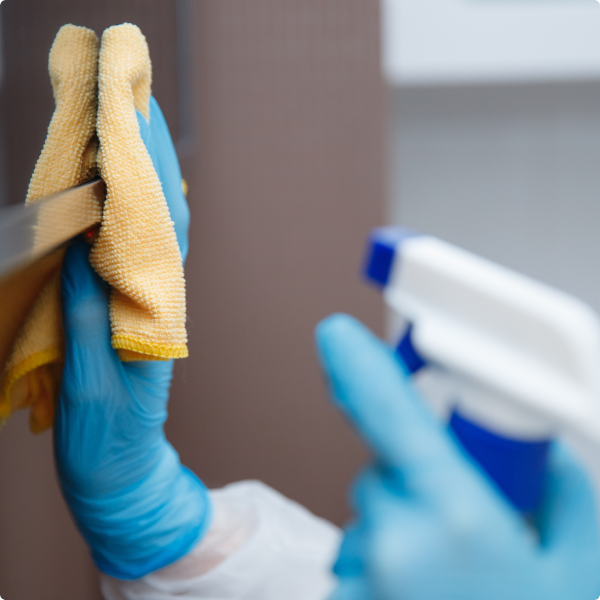
Enhanced cleaning
Whilst an infectious outbreak can disrupt the daily flow of things, the dental practice is likely to remain open – provided that there is sufficient staffing and infection control measures of course.
As always, hand hygiene should be consistent and effective. This means before and after wearing gloves and anytime there is visible contamination. Posters and signs for patients should also be installed, reminding them of correct hand hygiene protocols during their visit. Consistent communication is required to help control an infectious outbreak.
Follow the guidelines
Whilst extremely unlikely, if there is an infectious outbreak from the dental practice there must be an investigation into the source and how that can be prevented from happening again. By adhering to HTM 01-05 guidelines and being consistent in infection control, dental practices can protect their patients and their staff and contain the risk of an outbreak.
For extra support, the Dentisan product range offers solutions for hand hygiene, surface cleaning and disinfection, instrument decontamination, dental unit water lines and much, much more.
Browse a range of our most popular Dentisan infection control products below.