


In modern dentistry, clarity plays an essential role - whether it’s in diagnostics, communication, or the overall patient experience.
The ACTEON C20 is an intraoral camera designed with these needs in mind.
Instead of serving as simply another imaging device, it aims to support daily workflows, improve team efficiency and help patients better understand their oral health.
For practices interested in improving communication and integrating imaging into routine appointments, the C20 offers several features worth considering.
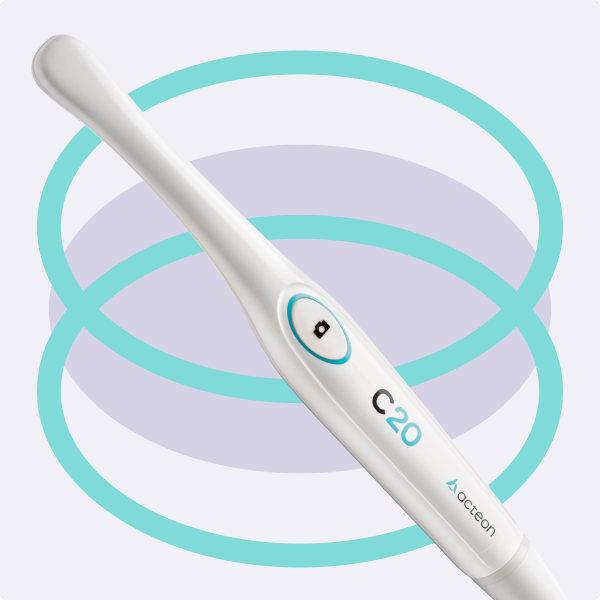
Ease of use and everyday practicality
One of the key design goals of the C20 is simplicity. The camera is built so that team members can begin capturing consistent images with minimal training. There is no complicated setup - users can connect the device and start using it immediately.
Key features include:
- Halo lighting for uniform illumination
- Fog-free technology to help maintain lens clarity
- Automatic image flipping to ensure correct orientation
This focus on straightforward operation can help support smoother appointments and clearer communication with patients.
Straightforward integration
The C20 is designed to work within a variety of practice setups without requiring extensive configuration. It offers:
- A standard USB connector
- Compatibility with Windows and macOS
- Adjustable settings to align with clinical preferences
This plug-and-play approach can make adoption relatively uncomplicated for most dental teams.
High-res imaging for better patient understanding
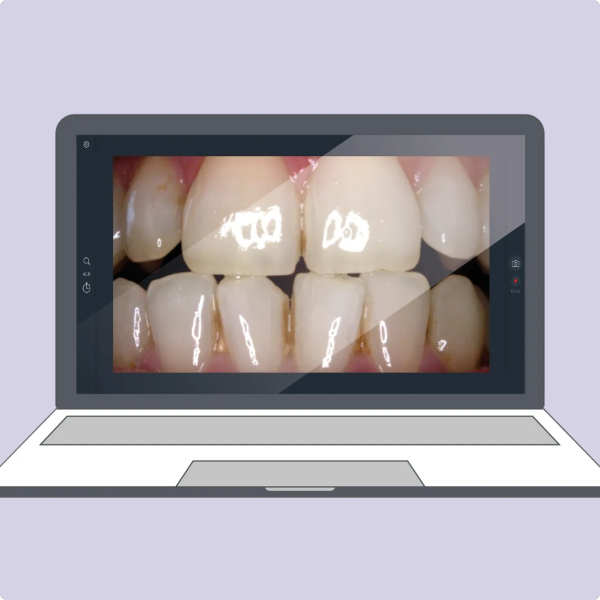
Clear visuals can help patients better understand clinical findings. The C20 captures Full HD images that make it easier to illustrate cracks, wear, inflammation, calculus, and caries.
A study by Dr. William W. Oakes found that using intraoral cameras increased treatment acceptance from 72% to 90%. While results can vary, the research suggests that visual information plays a meaningful role in how patients interpret their oral health. Cameras like the C20 support:
- Displaying before-and-after images
- Clarifying clinical conditions
- Promoting transparency
- Encouraging timely decisions about care
Durability and build quality
Manufactured in Europe, the C20 follows ACTEON’s established standards for imaging equipment. Its lightweight, ergonomic design is intended for everyday clinical use.
Clinicians also gain access to ACTEON Club resources, which include tutorials, webinars and support materials to help teams make full use of the device.
Why it’s time to invest in the ACTEON C20
The ACTEON C20 offers features aimed at simplifying image capture and supporting patient education.
As intraoral cameras continue to become standard in dental care, tools that offer reliable imaging and straightforward operation can contribute meaningfully to patient communication and practice efficiency.
For practices looking to strengthen diagnostic clarity and incorporate consistent imaging into routine care, the C20 is one option among the growing range of intraoral cameras worth evaluating.
A simple definition of CAD/CAM dentistry is the use of digital software to design and manufacture dental restorations and prostheses. CAD stands for computer-aided design and CAM stands for computer-aided manufacturing. The technology can be used to create crowns, dentures, inlays, onlays, bridges and veneers among other things. The speed of the CAD/CAM process allows for dental prosthetics to be designed, manufactured and delivered to the patient in quick time, sometimes the same day. The wider system of using computer assisted technologies to produce restorations is known as CEREC (Chairside Economical Restoration of Aesthetic Ceramics).
You May Also Like
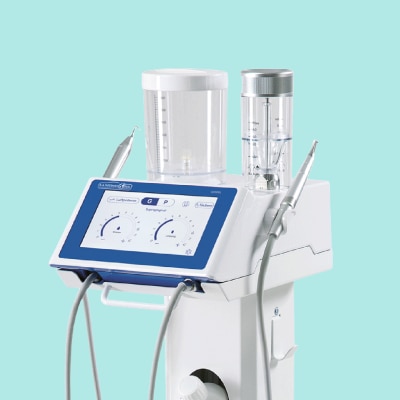
The Ultimate In Scale and Polish
The UC500L has been designed to make scale and polish treatments easier and more efficient for you and more comfortable for your patients.

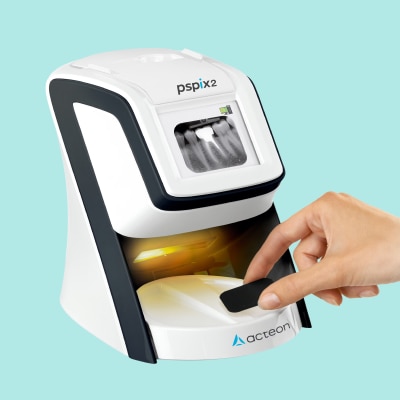
Simplify Your X-Rays With PSPIX2
One of the most popular digital imaging scanners is the PSPIX2 from Acteon. With the PSPIX2, the intraoral X-Ray process is as simple as shoot and scan
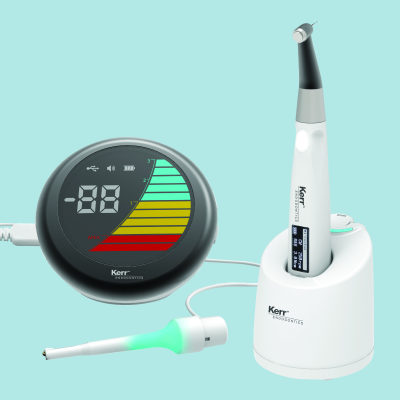
Elements Connect & Apex Connect
When seamlessly connected with the Kerr Apex Connect apex locator, the elements Connect can bring added confidence and accuracy to all shaping procedures.
Importance of Decontamination
Accurate record keeping is an essential part of running a dental practice and is necessary in the provision of high-quality, safe and effective patient care.
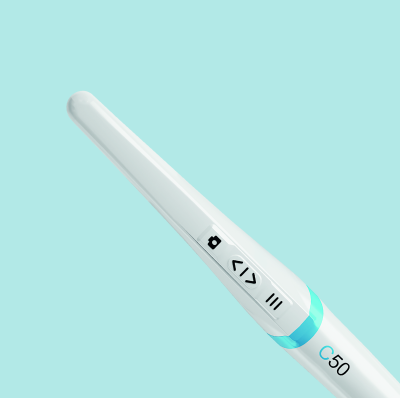
5 Reasons To Buy Acteon C50
With the continuous innovation in dental cameras for precise imaging and a greater emphasis on preventive care, intraoral cameras (IOCs) have never been more popular.

6 Reasons To Trust Kent Express
Discover just what makes Kent Express Dental Supplies the go-to e-commerce store for thousands of dentists every year.
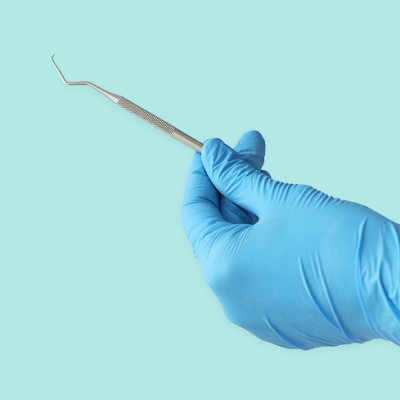
Guide to Dental Scalers
Make your scaling procedures as efficient and effective as they can be with our extensive guide to dental scalers.
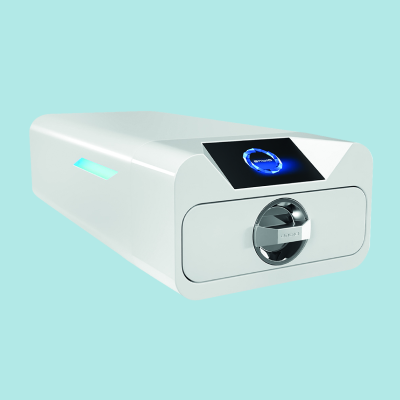
Enbio S Autoclave
The Enbio S autoclave from BA International is capable of sterilisation speeds 4 times faster than the average autoclave. Find out more.
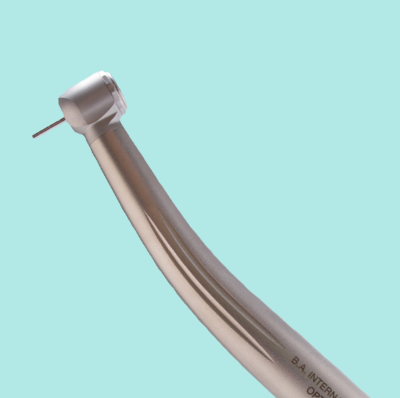
Best Value with BA Handpieces
3 great reasons why BA dental handpieces offer the best value for your dental practice.
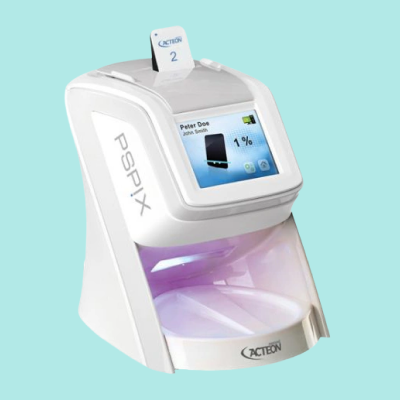
Phosphor Plate Radiography
Phosphor plate radiography is considered by many the least expensive way to convert from analogue to digital imaging and have the easiest learning curve.
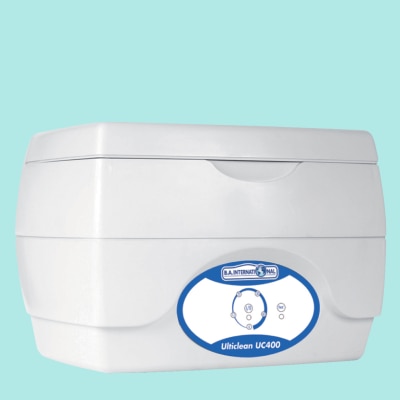
Guide to Ultrasonic Baths
Everything you need to know about the use of ultrasonic baths in dentistry and how to find the best ultrasonic cleaner for you.
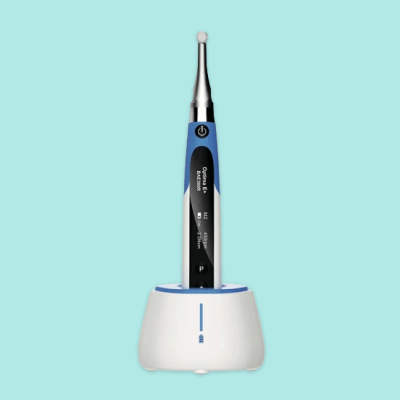
Endo Motors With Apex Locators
Having your apex locator built into your endo motor can streamline root canal procedures and reduce operation times.