


Patients nowadays expect not only strong, long-lasting fillings but aesthetic restorations and in quick time.
Finding composites that can do all this and more can bring joy to patients and dentists alike by streamlining procedures and improving outcomes.
Representing a significant breakthrough in composite technology, the Tricyclodecane (TCD) Matrix from Kulzer can provide an ideal solution.
What is a TCD Matrix?
All dental composites will contain a resin matrix. This is a cross-linked, three-dimensional network of polymers.
It is the composite’s matrix that provides the structural backbone of a dental restoration and dictates its physical, mechanical and optical properties.
The TDC Matrix is a new technology that serves this same purpose but is designed to enhance all these characteristics and the overall quality of a restoration.
The TCD Matrix can be found in many of Kulzer’s most popular composites, including the Venus Pearl range.
Here are four essential areas of a restoration that TCD matrix-based products can improve.
Durability & Strength
Kulzer's TCD matrix is specifically designed for durability, with a high degree of cross-linking that provides exceptional mechanical strength. This robust structure helps to reduce the likelihood of chipping and fracture, one of the main reasons for restoration failure.
This advanced structure of the TCD matrix helps to make restorations less prone to chipping and fracture, giving dentists greater confidence in their work and patients long-lasting results.
Dr. Nadeem Younis Supports this Innovation
I prefer to use Venus Pearl composite for tackling tooth wear cases because the material is long-lasting and durable with minimal chipping and fracture. The presence of TCD and a high monomer-to-polymer conversion rate renders the material strong in thin sections.

I prefer to use Venus Pearl composite for tackling tooth wear cases because the material is long-lasting and durable with minimal chipping and fracture. The presence of TCD and a high monomer-to-polymer conversion rate renders the material strong in thin sections.
BPA free
The TCD matrix does not contain any BPA structure. Testing by an external laboratory has shown no BPA release above the detection limit from unpolymerised and polymerised Venus Pearl and Venus Diamond composites (source: test report 10-2023). This provides additional assurance of the safety and reliability of these materials.Reduced shrinkage stress
During the light-curing of composites, shrinkage stress is a common problem that can lead to marginal gaps and consequently secondary caries. The TCD matrix addresses this issue with its low shrinkage stress because its urethane molecules vibrate minimally, reducing stress and mitigating the risks associated with conventional composites. This helps restorations to remain secure and effective over time.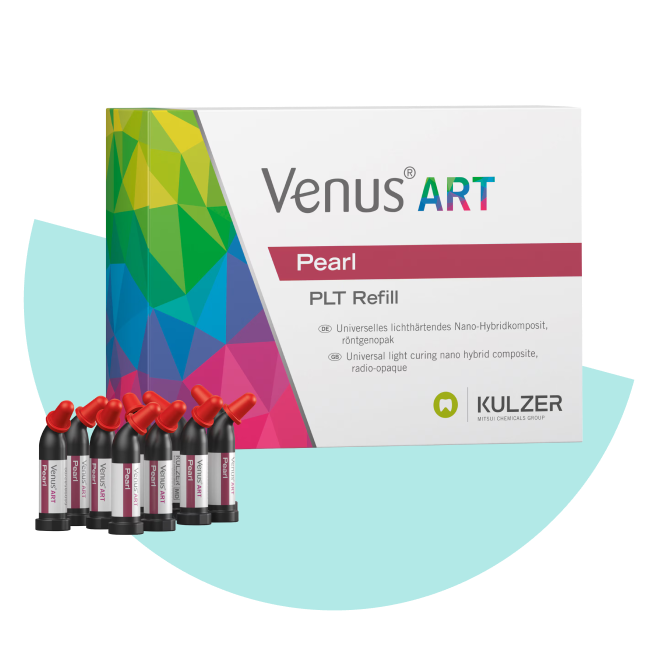
Dr Andreas Utterodt Explains
The unique feature of TCD is the urethane molecule, which vibrates less and takes up less space than conventional matrix molecules. This minimal movement results in significant benefits such as low shrinkage stress, which helps to reduce the risk of marginal gap formation and secondary caries.

The unique feature of TCD is the urethane molecule, which vibrates less and takes up less space than conventional matrix molecules. This minimal movement results in significant benefits such as low shrinkage stress, which helps to reduce the risk of marginal gap formation and secondary caries.
Share


You May Also Like
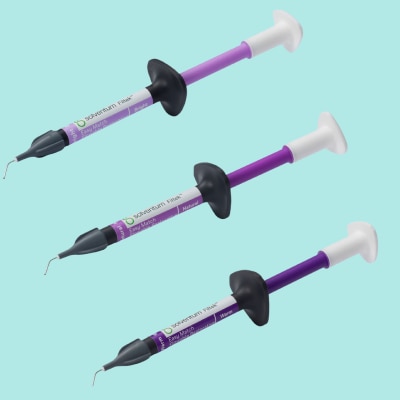
Easy Match Flowables
Discover Filtek Easy Match Flowable, the simplify shade matching and improve restorative efficiency in your dental practice. Shop today.

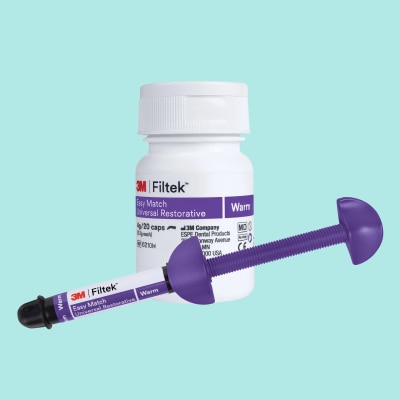
Why DCPs Love Filtek Easy Match
Solventum Easy Match Universal Restorative is designed to simplify the shade matching process with an innovative 3-shade system.

Small Changes, Big Smiles
GC, one of the world’s leading providers in restorative dentistry, expert step-by-step guide to quick and easy teeth restorations.

GC Special Offers
Discover GC's special offers across bonding agents and restoratives, available for a limited time.

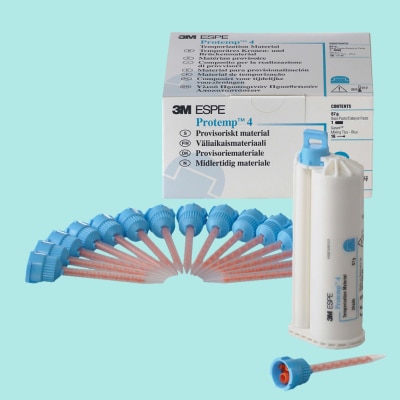
Temporisation with Protemp 4
Simplify everyday temporisation with Protemp 4 from Solventum, designed for easy application, outstanding aesthetics and unbeatable strength
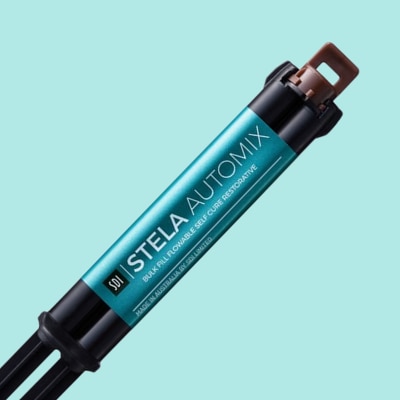
SDI Stela
Stela is the ideal option for dentists seeking a strong and reliable high-performance restorative, that is simple, fast and does not compromise aesthetics.
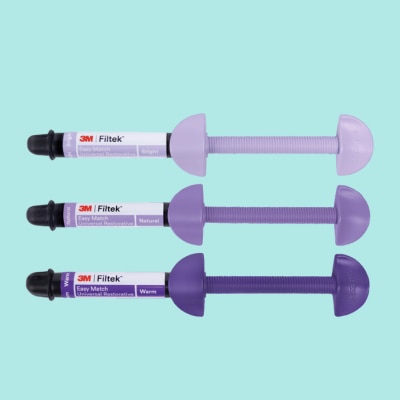
Filtek Easy Match Restorative
Filtek Easy Match Universal Restorative is a 3-shade system designed to deliver an excellent shade to almost any patient’s tooth shade.
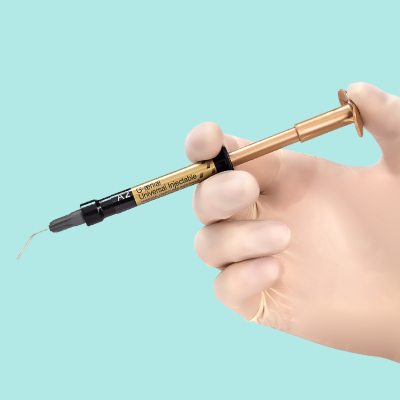
Amalgam Alternatives from GC
Whether your preference is for composite or GIC, GC is a brand that specialises in easy-to-use restoratives that can help smooth your amalgam phase-down.

Angelus Root Canal
All products in the Angelus root canal sealers and cements range are designed to improve the workflow of DCPs and patient outcomes.
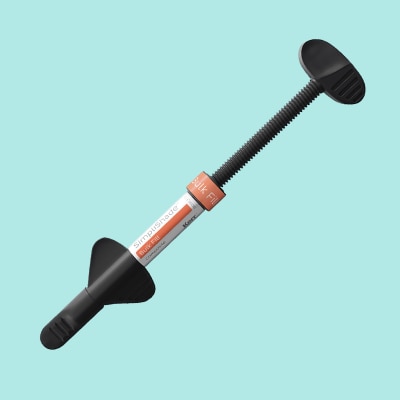
Simplishade Bulk Fill Composite
Simplify your restoration workflow with the new SimpliShade Bulk Fill and SimpliShade Bulk Fill Flow from Kerr.
DEHP Nano Flowable
Find out how DEHP Nano Flowable Composite has stayed Kent Express' best-selling composite for several years running.