


The Two That Can Do It All
Solventum 3M™ RelyX™ Universal Resin Cement works both as a standalone, self-adhesive cement and as an adhesive cement when combined with 3M™ Scotchbond™ Universal Plus Adhesive.
Together they eliminate the hassle and confusion of multiple resin cements, primers and adhesives, simplifying your direct and indirect restorative workflows. With fewer products to stock and replenish, you save space, time and money.
Discover 3M™ RelyX™ Universal
Game-changing
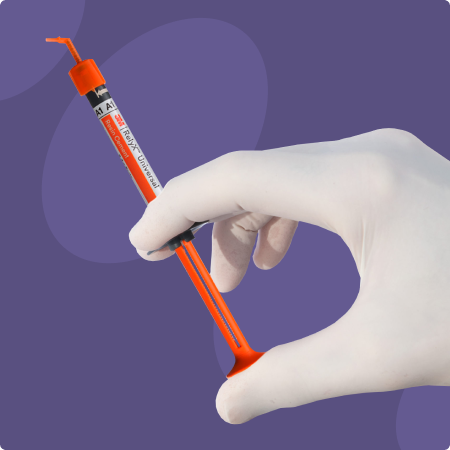
Proprietary Solventum 3M design takes automix cement applications to the next level. Developed with your needs in mind for easy dispensing, cleaning and storage. The small, low-waste 3.4 g syringe provides enough material for between 15–20 applications.
Easy excess clean-up
Efficient to the last step. Its unique chemistry ensures excess outflow stays put at the restoration margins, and can be easily removed after a 2–3 second tack cure.
So simple yet so powerful
- Two components for virtually all indirect and direct bonding indications.
- Outstanding self-adhesion of RelyX™ Universal Resin Cement.
- Scotchbond™ Universal Plus Adhesive further enhances bond strength to all substrates.
- Unique Solventum 3M™ self-sealing syringe.
- Easy excess clean-up.
- High aesthetics.
The strong partner for adhesive cases:
Solventum 3M™ Scotchbond™ Universal Plus Adhesive is the first radiopaque, all-in-one universal adhesive for all direct and indirect bonding indications. And it is a fully aligned system: the adhesive is cured by the cement, so no light-cure is needed.
Scotchbond™ Universal Plus Adhesive serves as universal primer for all materials including glass ceramics and further boosts the excellent self-adhesive bond of the cement e.g. to zirconia.

Less stock, more savings
95%
of dentists agreed the universal
character of RelyX Universal Resin
Cement helps to reduce stock
and save costs.*
*Solventum 3M internal data
Easier for operatory staff
97%
of dentists agreed using oneuniversal versus multiple resin
cements is easier for operatory staff.*
*Solventum 3M internal data
Virtually no postoperative sensitivity
99%
of dentists reported that RelyX
Universal Resin Cement shows
virtually no post-operative
sensitivity.*
*Solventum 3M internal data
A simple definition of CAD/CAM dentistry is the use of digital software to design and manufacture dental restorations and prostheses. CAD stands for computer-aided design and CAM stands for computer-aided manufacturing. The technology can be used to create crowns, dentures, inlays, onlays, bridges and veneers among other things. The speed of the CAD/CAM process allows for dental prosthetics to be designed, manufactured and delivered to the patient in quick time, sometimes the same day. The wider system of using computer assisted technologies to produce restorations is known as CEREC (Chairside Economical Restoration of Aesthetic Ceramics).
A simple definition of CAD/CAM dentistry is the use of digital software to design and manufacture dental restorations and prostheses. CAD stands for computer-aided design and CAM stands for computer-aided manufacturing. The technology can be used to create crowns, dentures, inlays, onlays, bridges and veneers among other things. The speed of the CAD/CAM process allows for dental prosthetics to be designed, manufactured and delivered to the patient in quick time, sometimes the same day. The wider system of using computer assisted technologies to produce restorations is known as CEREC (Chairside Economical Restoration of Aesthetic Ceramics).
You May Also Like
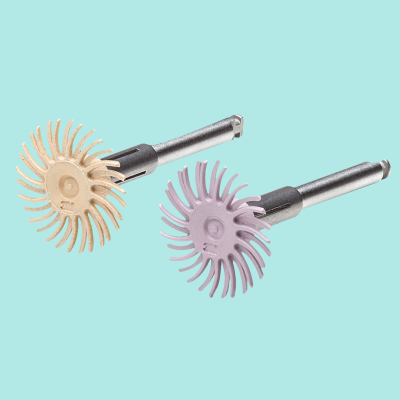
3M Polishing
Special offers and low prices on 3M polishing coarse and fine polishing compounds, kits and pads.


3M Clinpro
3M Clinpro sealant provides long-lasting protection against carries with a pink colour that helps dentists with accuracy and waste management.
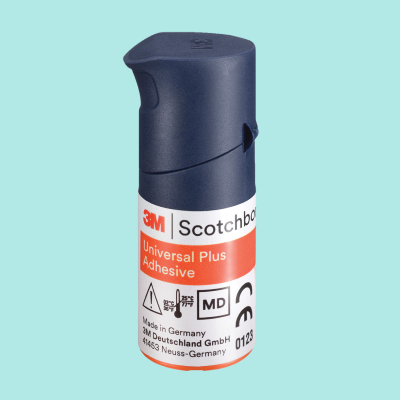
3M Cements Adhesive
Find your perfect bonding agent with 3M's comprehensive range of cements and adhesives.
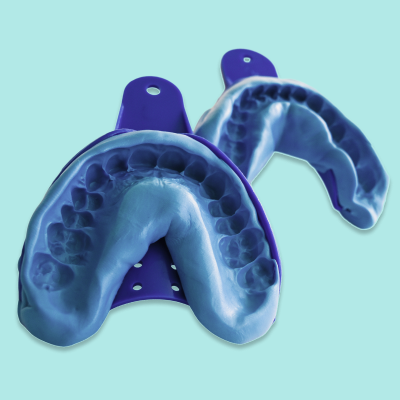
3M Impression Materials
For successful crown, bridge and implant procedures. 3M's world leading dental impression material puts you in control by simplifying the workflow.
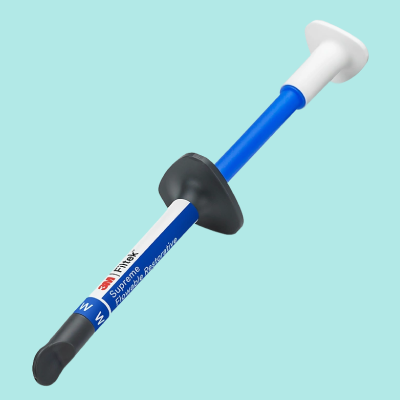
3M Filtek Supreme Flowable
3M Filtek Supreme Flowable Restorative and helps to virtually eliminate bubbles, cut waste and reduce the thumb pressure needed for injection.