



Laurence is a copywriter and trained journalist. His passion is creating insightful and educational content for dental professionals of every level. Outside of work, he enjoys watching sport, quizzing and spending time with his family.
Dental handpieces are among the most important tools that a dentist uses on a day-to-day basis. Here are some of the elements that you should give thought to if you’re looking for a first-class product that suits your clinical needs and preferences.
Light Source
Handpiece illumination continues to improve beyond recognition with the advent of enhanced LED. The colour rendering index (CRI) is an important aspect of artificial illumination, with a perfect colour rendition having an index value of 100.
Therefore, you need to be looking for a handpiece that offers a CRI of over 90 which will give you the rich colour contrasts necessary for a life like view. Choose carefully as there are many different offerings giving varying levels of enhanced visibility and reduction of eye stress.
Select an LED which offers daylight grade illumination as it is kinder on your eyes, gives improved visibility, better colour definition and reduced heat such as the W&H LED+ handpieces.
If you are looking for a turbine that offers shadow free illumination, the ideal solution is a handpiece that has a ring of LED lights integrated into the instrument head, such as the Synea Vision range from W&H, as this ensures a wide area of illumination with no shadowing or obstruction.
Sterilisation and maintenance
A simple definition of CAD/CAM dentistry is the use of digital software to design and manufacture dental restorations and prostheses. CAD stands for computer-aided design and CAM stands for computer-aided manufacturing. The technology can be used to create crowns, dentures, inlays, onlays, bridges and veneers among other things. The speed of the CAD/CAM process allows for dental prosthetics to be designed, manufactured and delivered to the patient in quick time, sometimes the same day. The wider system of using computer assisted technologies to produce restorations is known as CEREC (Chairside Economical Restoration of Aesthetic Ceramics).
After Care
Be sure to check what level of aftercare service would be available to you should you purchase a particular handpiece, otherwise you might find yourself out of pocket.
Choosing a manufacturer that offers comprehensive aftercare will ensure you have access to technical support from qualified professionals, regular servicing, an attractive warranty, and a quality repair service that uses authentic replacement parts.
To prolong the useful life of your handpieces and to protect both the patient and the team from the risk of cross contamination, it is important that the dental team follow a strict infection control regime.
When selecting your handpiece, it is worth identifying whether the manufacturer can meet all your needs, whether they are able to offer a full range of products, local service support, care and maintenance training and the appropriate solutions for decontamination. You should be given guidance on the products available to assist you in looking after your handpieces, such as automatic handpiece care systems like the Assistina which provides a fast, consistent and effective cleaning and lubrication procedure.
Branded versus Non-Branded Products
Good quality handpieces, made by highly respected manufacturers, are easy to recognise and should be supplied with at least a one-year warranty as standard. It has been proven over many years that the higher the quality of the handpiece, the superior the performance over longer periods of time.
It is therefore worth investing wisely and looking after your investment. If the handpiece or manufacturer chosen does not meet the above criteria, then it is not likely to offer long-term value for money.
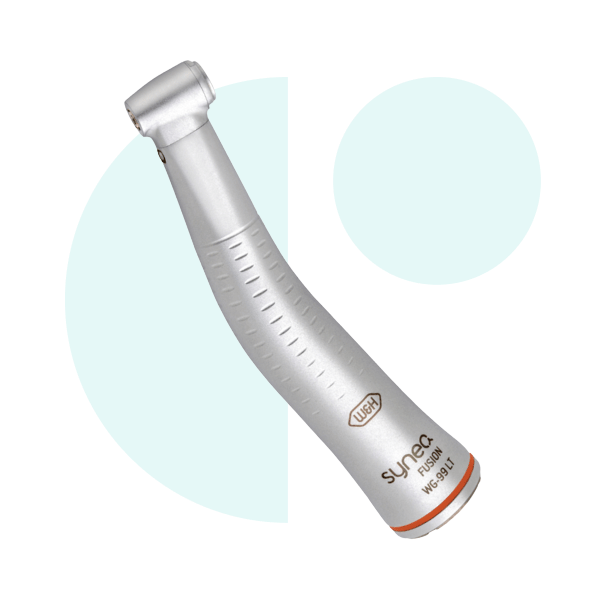
Look for the added benefits of purchasing a respected brand such as the W&H Synea Fusion range of high quality straight and contra-angle handpieces, offering exceptional ergonomics and reliability enabling you to maintain an efficient workflow. For your benefit, W&&H turbines have hygienic head anti-retraction systems to prevent cross contamination.
Remember, you get what you pay for, so it is always worthwhile making a sound investment and purchasing a well-established, well-supported brand known for quality and reliability.
So, Why Choose W&H?
W&H's exceptional reputation for providing an unrivalled aftercare service alongside high quality products, is based on its many years of experience in the market, making it a great choice.
There's no doubt that selecting a dental handpiece can be a painstaking task. However, by sourcing top-class solutions from a trusted manufacturer, you are sure to find ‘the one' that ticks all the boxes and meets your expectations now and in the future.
Share


You May Also Like
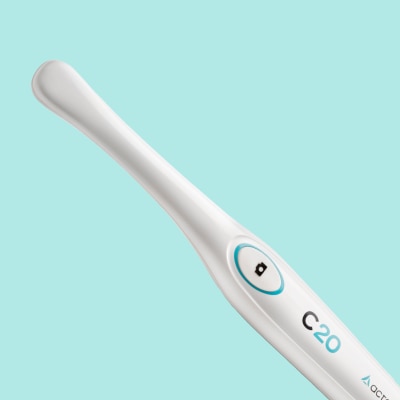
ACTEON C20 Camera
Support daily workflows, improve efficiency and help patients better understand their oral health with the ACTEON C20 intraoral camera.


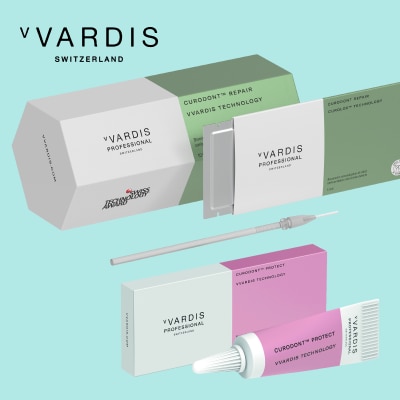
Vvardis
vVARDIS offers innovative, biomimetic dental solutions for professionals, including Curodont™ Repair for non-invasive early caries treatment.

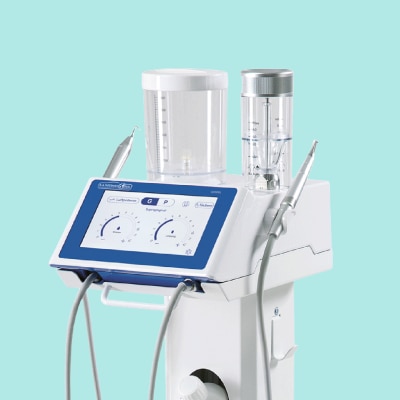
The Ultimate In Scale and Polish
The UC500L has been designed to make scale and polish treatments easier and more efficient for you and more comfortable for your patients.
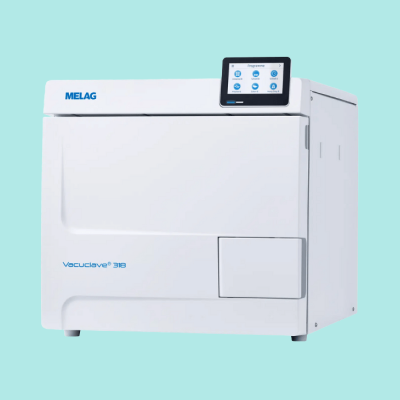
Melag Autoclaves
Melag autoclaves and steam sterilizers for practices and clinics. Providing sterilisation in compliance with international standards.
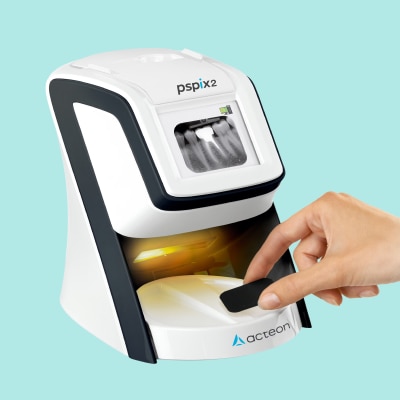
Simplify Your X-Rays With PSPIX2
One of the most popular digital imaging scanners is the PSPIX2 from Acteon. With the PSPIX2, the intraoral X-Ray process is as simple as shoot and scan
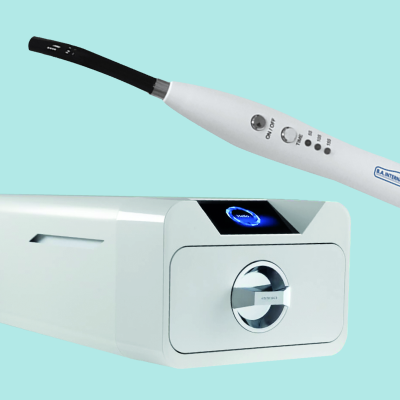
BA International Small Equipment
From curing lights and air polishers to autoclaves and handpiece lubrication units, BA International is a world leader in dental small equipment
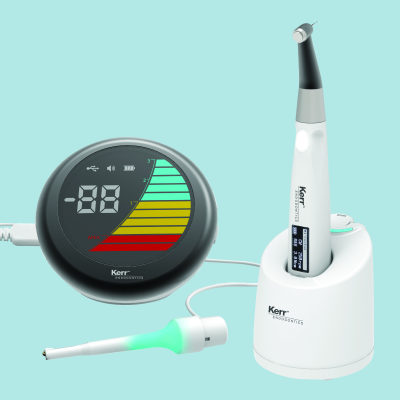
Elements Connect & Apex Connect
When seamlessly connected with the Kerr Apex Connect apex locator, the elements Connect can bring added confidence and accuracy to all shaping procedures.
World Oral Health Day
Oral hygiene products and equipment to help you effectively prevent and treat oral health conditions in their early stages.

Importance of Decontamination
Accurate record keeping is an essential part of running a dental practice and is necessary in the provision of high-quality, safe and effective patient care.

Gum Disease Awareness Month
Advice on raising awareness on gum disease, communicating with patients and choosing the right products.